The test every item has to pass
Three things all have to be true before a household exposure is worth your attention.
Most advice about household chemicals reads like a list – swap this, avoid that. What a list doesn't tell you is why one thing made the cut and another didn't, which leaves you stuck the next time a new headline turns up. This is the test instead. Every item in the program had to clear it, and once you've seen it work, you can run it yourself on anything.
Something comes loose. If a chemical is locked into a material and stays there, it can't reach you.
There's a way in. Skin lets in small, fat-soluble molecules. Lungs take fibres. The mouth takes everything.
Enough of it, often enough. Detection isn't dose – and dose is what decides whether it matters.
Fail any one of the three and it doesn't earn a swap, however alarming it sounds on first read.
One that passes, one that doesn’t
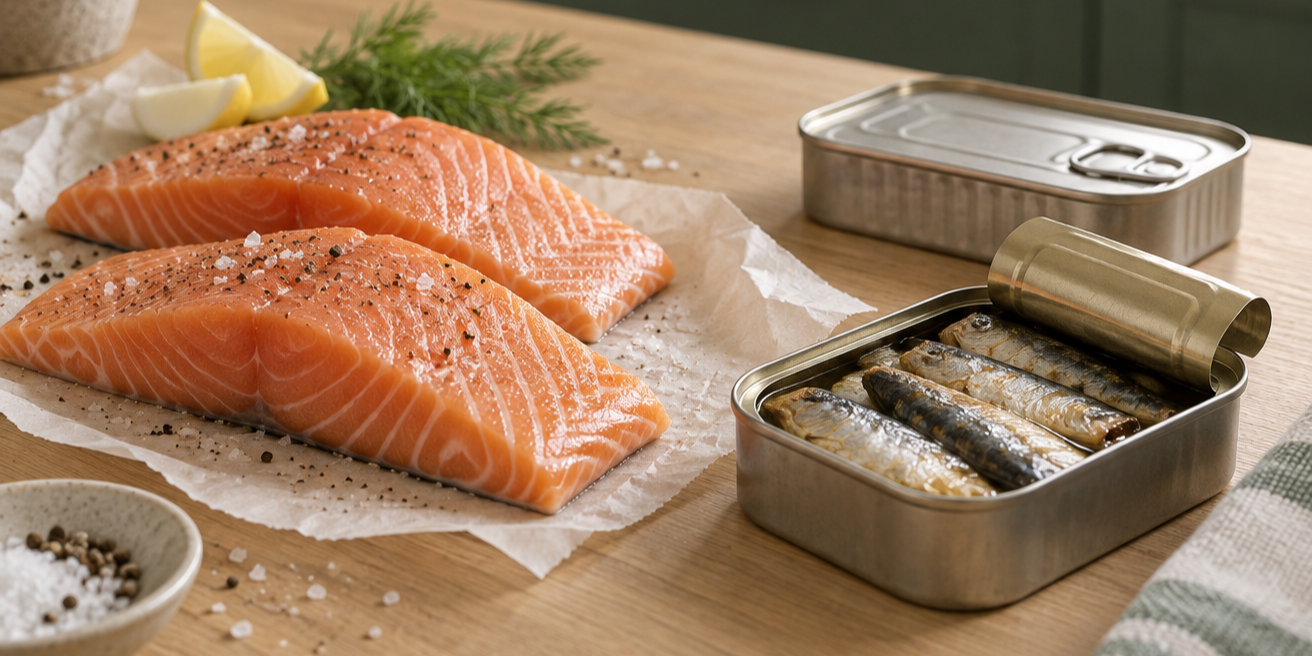
Choosing lower-mercury fish
Something comes loose. Methylmercury builds up the food chain and settles most in big, long-lived fish that eat other fish – shark, swordfish, king mackerel and bigeye tuna carry far more than smaller species.
There's a way in. You eat it. It builds up in the body over time, and it passes from mother to baby during pregnancy, when a developing brain is most vulnerable.
Enough of it, often enough. Yes, for anyone eating the high-mercury species regularly – though at everyday levels the evidence is more nuanced than the headlines suggest.
What you'd actually do: favour lower-mercury choices – salmon, sardines, tinned light tuna – for your regular fish meals, and treat shark, swordfish, king mackerel and bigeye tuna as occasional. It's about which fish, not whether to eat it.
The full workings
At high doses, mercury's harm to a developing brain isn't disputed – historical poisoning cases settled that decades ago, and adults were affected too. At ordinary dietary levels it's more complicated. A major study in the Faroe Islands linked mothers' mercury exposure during pregnancy to developmental effects in their children. Another, in the Seychelles – also a high-fish diet – found no such link.
The leading explanation is that other components of fish may offset mercury's effect, but the disagreement is still open, and neither side has explained it away. That's why the action is a fish-choice rule rather than a fish-avoidance rule, and why it applies to anyone eating fish regularly, even though pregnancy is where the risk is clearest.
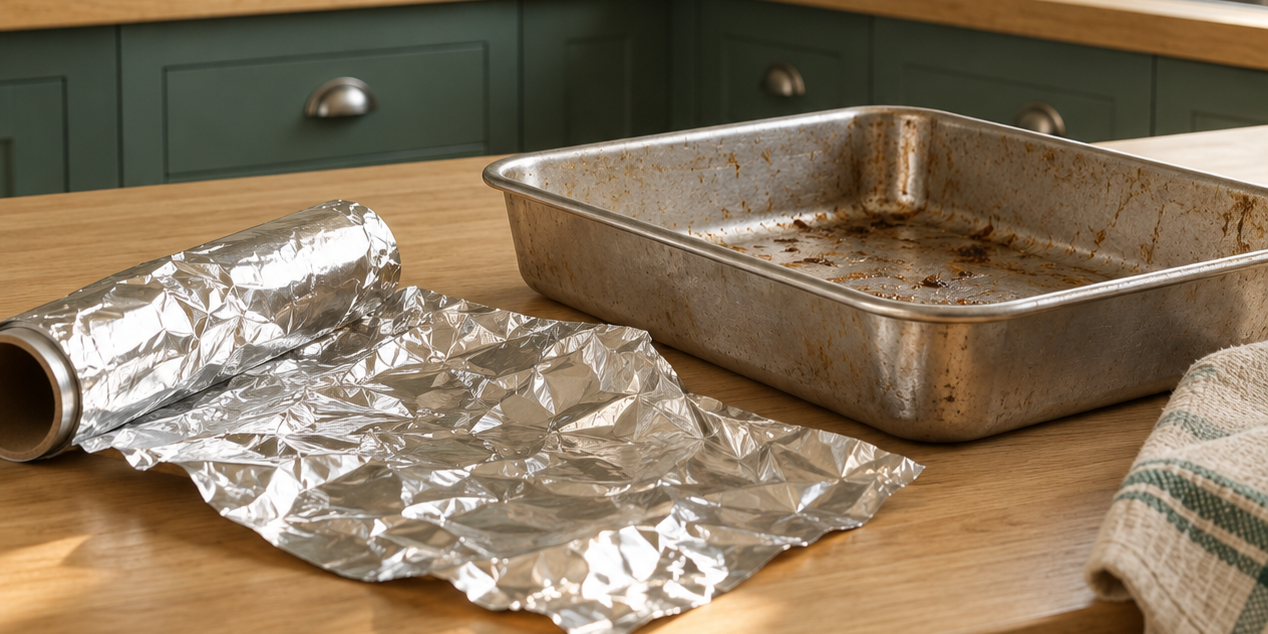
Aluminium
One of the most commonly named concerns there is – deodorant, foil, pans. It isn't in the program, and the reason is the same test.
Something comes loose. Yes. Aluminium can migrate into food from foil and cookware, and antiperspirants contain aluminium salts by design.
There's a way in. Partly. Food is a real route. Skin isn't much of one – aluminium salts aren't small or fat-soluble, and measured absorption through intact skin is minute.
Enough of it, often enough. This is where aluminium stops. The evidence linking either route to a health outcome is thin and contested, and the most-repeated claim about underarm use has no evidence behind it.
What you'd actually do: nothing. Spend the attention somewhere it buys you something. Deodorant does make the program – just not for this reason.
Once you have the test, you stop needing lists. The next headline about something you own becomes three questions instead of a decision you can't make – and most of what circulates fails at gate two or gate three.
The test doesn't stay still – we check it every three months
A test is only as good as the evidence behind it, and evidence moves. Every three months, this program runs a full audit: every existing claim gets re-checked against current research, and an independent literature scan looks for anything new that might change what we say. Findings get tiered honestly – established, probable, or early and contested – and nothing gets added to a lesson until it's cleared the same three gates as everything else.
Here's a real one from the most recent audit, so this isn't just a promise.
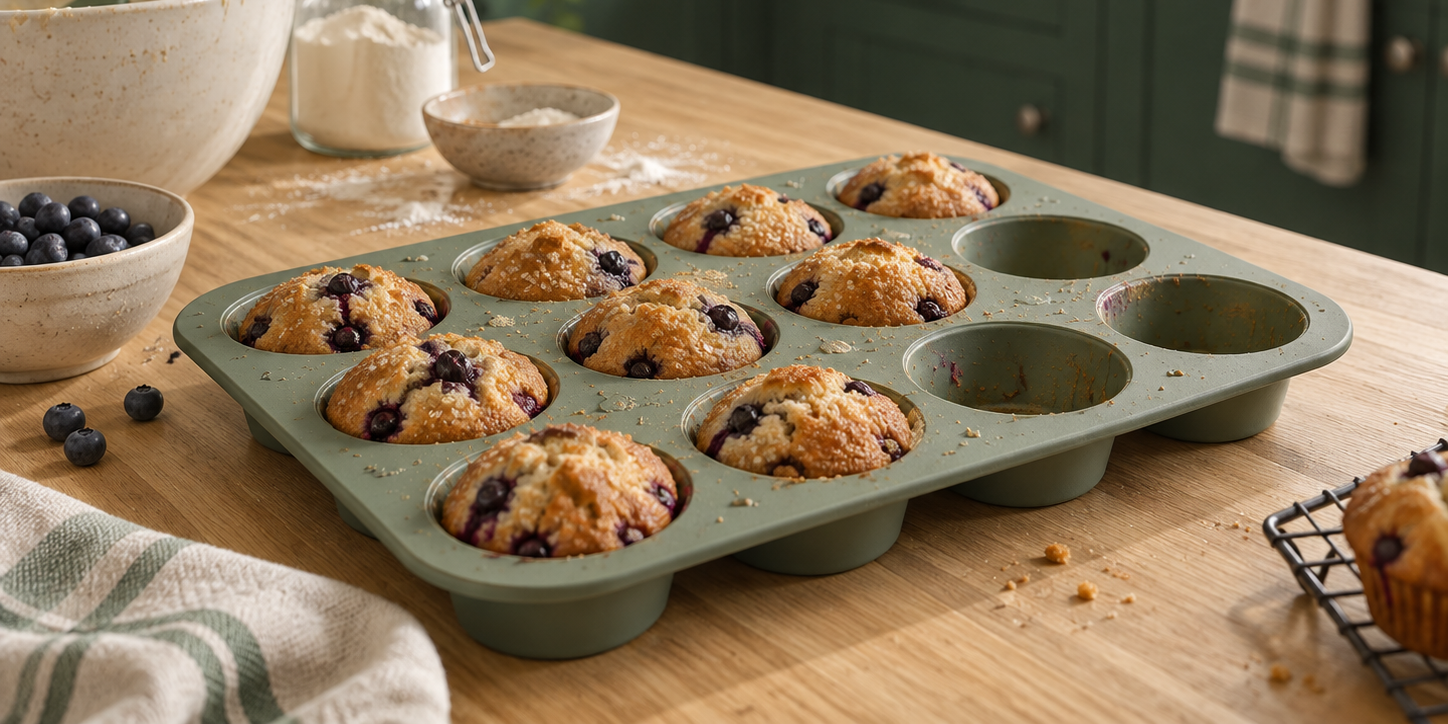
Silicone still makes the cut – with conditions
Silicone has been one of this program's go-to material swaps – the safer stand-in for plastic. The audit found new 2024–2025 research showing that silicone releases trace compounds into food and air when heated, particularly during the first few uses.
Gate 1, something comes loose: confirmed under heat, well replicated across recent studies.
Gate 2, there's a way in: yes – it migrates directly into food and air during cooking or reheating.
Gate 3, enough to matter: here's the honest part – the migration drops by roughly 95% after a silicone item's first three uses, and stays low in certified, platinum-cured, food-grade silicone kept under its rated temperature. The health-outcome evidence itself is still thin; one of the source studies says plainly that it didn't assess health risk, because the data doesn't exist yet to do so.
What changed: silicone stays recommended – it's still clearly the better choice against the plastics it replaces. But the instruction is no longer unconditional. Wherever this program recommends silicone, it now specifies certified, platinum-cured, food-grade, kept under its rated temperature – and lets hot food cool before it goes into a silicone container. Nothing was pulled from the program. Two lessons got more precise.
This is what the audit is for: not finding reasons to be afraid, but catching the moments where a recommendation needs to be sharper than it was. Most quarters, that's exactly the size of what changes.